





Road Trip: 3 Days On The Historic Barlow Road
Travel Tips
- Late spring through early fall are the best seasons for this route, providing hiking trails and full road access. If you visit in the winter, snow and road closures are common near Government Camp.
- Check TripCheck for current road and weather updates.
- Many historic stops are short, allowing for flexibility throughout the day.
The Barlow Road was the final overland route of the Oregon Trail, guiding pioneers over the rugged south side of Mt. Hood and into the Willamette Valley. Today, travelers can follow this historic corridor on a great Oregon road trip through forests, mountain passes and living history sites just east of Portland.
Day 1: Sandy To Government Camp — Gateway To The Barlow Road
Begin in Sandy, the traditional western gateway to the Barlow Road. Start with a stop at Jonsrud Viewpoint, where sweeping views of Mt. Hood and the Sandy River Valley offer a dramatic introduction to the journey ahead. You'll find a scenic viewer that is adapted with technology to help people who are color blind experience the colors of nature.
Make sure to stop into the Sandy Historical Society and Museum to learn about the history of this town and how logging transformed the area.
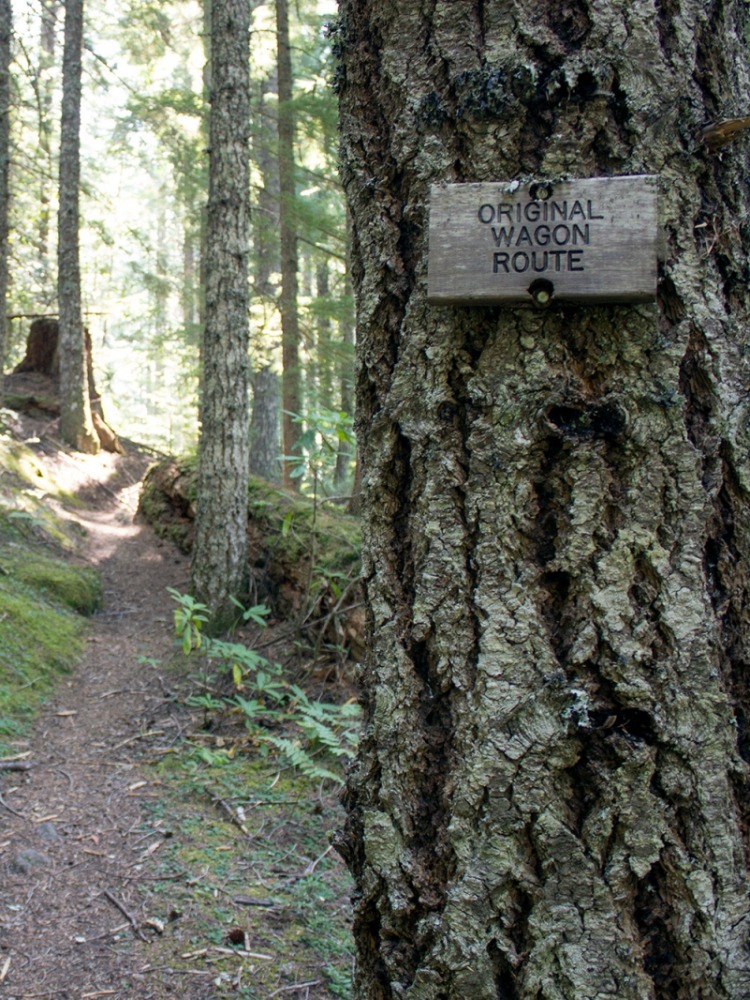
Continue east on U.S. 26 toward Government Camp, watching for historic markers that trace the original wagon route. Near Rhododendron, stop at the replica Barlow Road Tollgate, where pioneers once paid to cross the Cascades. This short roadside stop provides valuable context for the road’s role in westward expansion.
Just beyond the tollgate, explore Laurel Hill, one of the most dangerous sections of the route. Short walks reveal remnants of the steep chute where wagons were lowered by rope, offering a vivid glimpse into the hardships pioneers faced. Even today you can still see where the ropes wore into the trunks of the trees.
Arrive in Government Camp for lunch and an afternoon visit to the Mt. Hood Cultural Center and Museum, which features exhibits on the Oregon Trail, Mt. Hood history, local culture and serves as a visitor center for the Mt. Hood area. Ask the staff for dining suggestions and their favorite trails in the area.
Overnight at the Huckleberry Inn in downtown Government Camp, which pairs classic mountain charm with hearty home-cooked meals in the on-site restaurant.
Day 2: Barlow Pass, Forest Trails And Trillium Lake
Head south of Government Camp to Barlow Pass, a key crossing point on the historic road. The short Pioneer Woman’s Grave Trail offers an easy hike with interpretive signage explaining daily life, illness and loss along the Oregon Trail.
For more exploration, hike a portion of the Barlow Butte Trail or walk along remaining segments of the original road, now quiet forest paths lined with towering firs.
Midday, drive to Trillium Lake, one of the most iconic stops in Mt. Hood Territory. The loop trail circles the lake and offers classic Mt. Hood reflections on clear days. Picnic tables, fishing access and kayak rentals make this a natural lunch stop. For the best experience visit midweek when you'll find fewer crowds. Also, the recently remodeled Trillium Lake Boardwalk allows visitors to access most of the loop.
Spend the afternoon relaxing lakeside or exploring nearby forest trails that once connected pioneer routes through the Cascades.
If you came prepared spend the night at one of the Mt. Hood National Forest campgrounds to experience how the pioneers would have experienced Mt. Hood.
Day 3: Philip Foster Farm And Pioneer Life
Travel west back down Highway 26, turning at Sandy toward a visit at Philip Foster Farm, a preserved pioneer homestead and living history museum. The site interprets daily life at the western end of the Barlow Road through historic buildings, heirloom crops and hands-on demonstrations during event days.
After lunch in nearby Estacada, continue exploring the region’s Oregon Trail legacy by heading into Oregon City. This stop will provide the final journey of the pioneers to the End of the Oregon Trail Visitor & Interpretive Information Center, marking the official conclusion of the historic route. The Center sits at Abernathy Green, where Congress recognizes the official End of the Oregon Trail historical site. This 8.5 acre site served as the main destination area for Oregon immigrants in the 1840s. It now offers living history interpretations and multimedia dramatizations to vividly depict the Oregon Trail pioneers' struggles and success. Make sure to stop into their theater to watch the video "Oregon's First People" which was created in partnership with the Grand Ronde Tribe to shed light on the indigenous peoples that lived here for centuries prior.