




Peaceful Winter Paths In Mt. Hood Territory
By Guest Author: Matt Wastradowski
Article At A Glance
- Discover five easy and low-elevation walks. These mostly snow-free trails across Mt. Hood Territory offer peaceful scenery, gentle grades and year-round beauty — perfect for all ages and abilities.
- From paved paths and wide trails to mellow forest loops, these accessible trails welcome stroller users, wheelchair users, casual walkers and anyone easing back into outdoor adventures.
- This winter, enjoy serene riverside strolls, old-growth forests, interpretive history sites and restored natural areas — all offering rich wildlife viewing and crowd-free winter exploration.
Two years and one month ago, I was an avid hiker who counted Bagby Hot Springs and the Molalla River Recreation Area among his favorite trails in Oregon.
And then I partially tore my Achilles tendon — leading to several weeks in a walking boot and a long-term recovery that radically altered my relationship with the outdoors. Gone were the steep climbs into old-growth wilderness areas; in their place were easy nature walks on mostly flat trails, usually within city limits.
As I regained strength in my Achilles, I found plenty to love about those laid-back strolls. I appreciated how deeply green the rain-soaked forest was at Barlow Wayside Park on the way up Highway 26, loved learning about the history behind an old logging road in Canby and had fun watching for wildlife in Milo McIver State Park.
While on those walks, I found that I was far from alone. Families pushed strollers on paved or gravely paths; wheelchair users had plenty of room to roam on wide trails that boasted gentle grades; and hikers of all ages, skill levels and injury histories could get outdoors and enjoy beautiful views without having to climb thousands of feet.
To help share some of that beauty, here’s a look at five outstanding winter walks across Mt. Hood Territory. They’re especially great in winter, given each trail’s low elevation (which means a lack of snow), gentle slopes, year-round wildlife populations and natural beauty that transcends seasons. Keep reading for five ideas to inspire your next laid-back, yet wholly satisfying winter adventure.
Logging Road Trail (Canby)
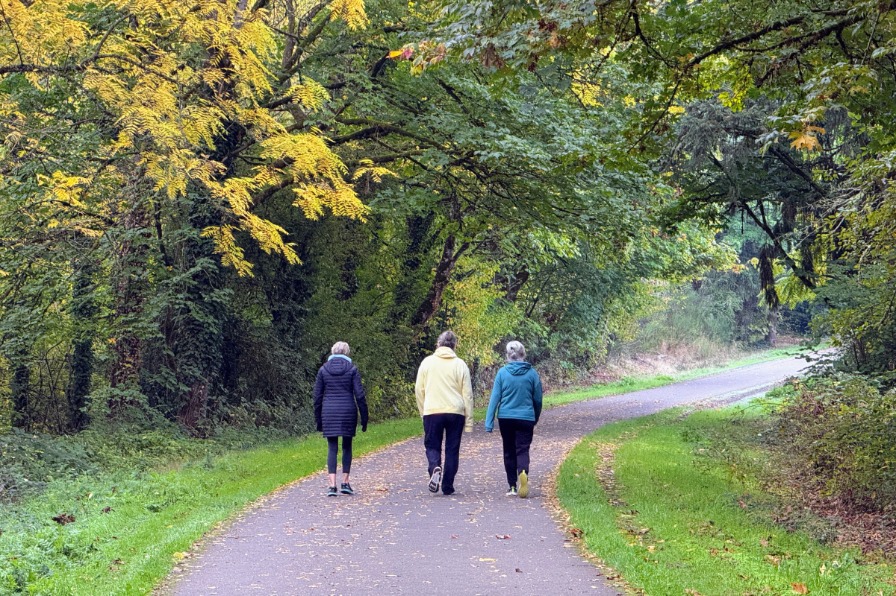
The Logging Road Trail is paved and offers a wonderful option for getting outside in winter.
In the mid-1900s, Weyerhaeuser logged numerous forests around Canby and Molalla — and ran a private logging road between the communities to help move the downed logs to the Willamette River, where they’d be shipped elsewhere to be processed at local mills.
The chainsaws have been quiet for decades, the forests have been replanted, and that old road has been turned into the Logging Road Trail. In all, the 7.3-mile paved path cuts through parts of Canby most of us miss when driving by — and shows that natural beauty is always close by in the Willamette Valley.
The easiest access point comes at Eco Park, where hikers have two options for reaching the trail. The first is to walk through the verdant park, where an episode of the hit NBC show “Grimm” was filmed in 2014, before joining the paved Logging Road Trail. The second option is to follow the wheelchair-accessible paved path north directly from the trailhead. Either way, you’ll pass a golf course, homes and numerous stands of fir and maple trees along the mostly flat trail. Get more insight on the Canby Logging Road Trail from the Oregon Hikers Field Guide.
Milo McIver State Park (Estacada)
Milo McIver State Park sprawls out across nearly 1,000 acres at a U-shaped bend in the Clackamas River — and is home to a campground with more than 50 sites, a 27-hole disc golf course, boat ramps, a horse arena and other attractions.
But what I love about the park is its 14 miles of hiking trails, which cross its meadows, parallel its riverbanks and head through its forests of fir, cedar and pine. Best of all: Any elevation gain usually comes via rolling hills, rather than sustained ascents or descents. On a recent visit, I walked the mostly flat Dog Creek Trail to where its namesake channel flows into the Clackamas River — and kept going to the on-site Clackamas Hatchery. Wanting to stretch my legs a bit more, I headed back to the Riverbend Day-Use Area and left my car at Parking Lot E — where I got on the undulating, wheelchair-accessible Riverbend Trail; there I darted in and out of the forest while watching a dozen or so disc golfers in action.
What makes Milo McIver State Park so idyllic in winter is how quiet and remote it feels. The park's campground is closed November to mid-March, which naturally means more solitude, and its location along the Clackamas River insulates the park from frequent bouts with sticking snow. Download a trail map from the Milo McIver State Park website to start planning your next hike. Make an overnight of your trip and check out nearby Camp Colton which features yurts, cabins and a tiny home. This property is a wonderful way to enjoy nature in the winter.
Barlow Wayside Park (Villages of Mt. Hood)
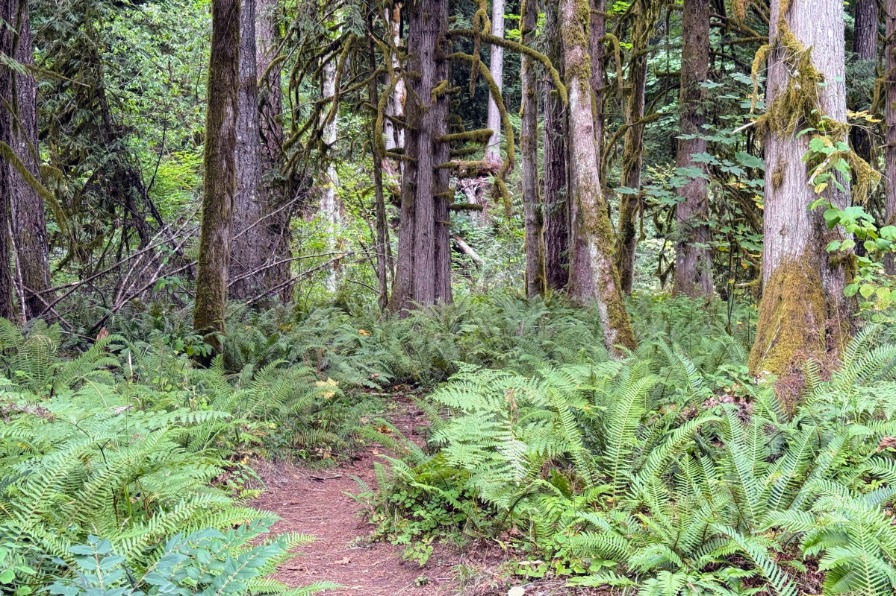
The trails of Barlow Wayside Park are not paved but most offer minimal incline.
In winter, Mt. Hood is undeniably most closely linked to its lavish ski resorts, backcountry Nordic trails and cozy lodges. Further down the mountain, though, hikers are rewarded with lush forests that remain largely snow-free while still affording a quiet escape into nature.
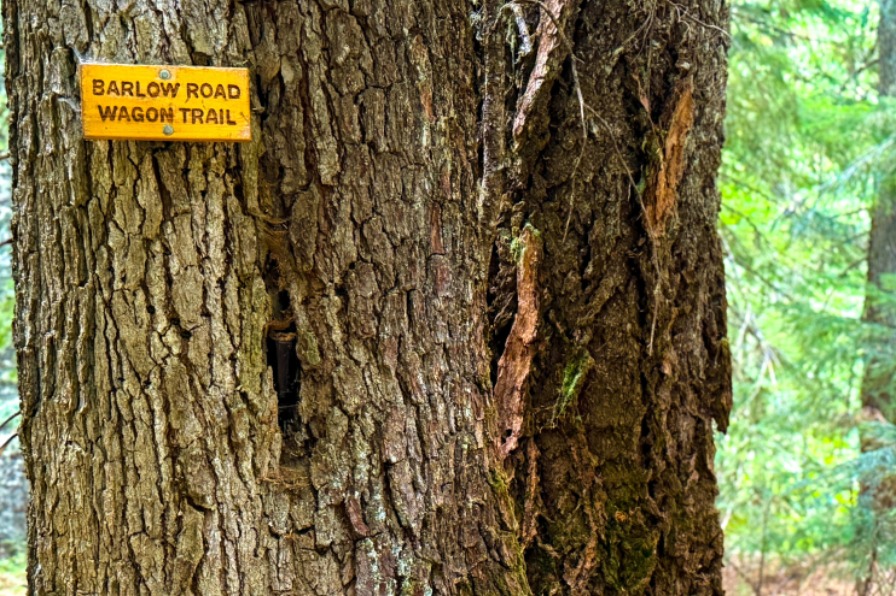
One such escape is Barlow Wayside Park, which sits off Highway 26 and near the Villages of Mt. Hood. The park resides along the old Barlow Road and is today home to a thriving forest of fir and cedar, as well as thigh-high ferns throughout. A number of well-signed loops make it easy to stitch together a hike suited to your time constraints, experience levels and comfort with occasionally steep inclines. A brochure at the trailhead covers points of interest and explains the wetlands, mushrooms and other natural features you may see along the mile-long Falls Loop. Interpretive panels, meanwhile, pay tribute to the wildlife that calls the park home.
If you’d like to stay the night in the area, consider booking a cabin or tiny home at the Mt. Hood Village RV Resort, which is just over three miles from the trailhead.
Salmon River Trail (Welches)
Given Oregon’s history with logging, true old-growth forests are less common than you might think across the state. But one of our most pristine stands of intact forest sits just about three miles south of Welches and along the Salmon River Trail.
In all, the trail measures nearly eight miles round-trip and ascends nearly 1,000 feet to a viewpoint of a canyon that surrounds its namesake waterway. The path doesn’t really start climbing until you pass a registration box at the Salmon-Huckleberry Wilderness boundary, though, and the early stretch of trail is dominated by gradual ascents above the Salmon River. In between views of the rushing river below, you'll marvel at the moss-covered stands of Douglas-fir — some of the largest, oldest and most majestic Douglas-firs you’ll encounter anywhere in Oregon.
For similarly snow-free views, consider hiking another stretch of river nearby. The Old Salmon River Trail measures about five miles round-trip with just a few hundred feet of elevation gain — and offers much of the same charm.
Graham Oaks Nature Park (Wilsonville)
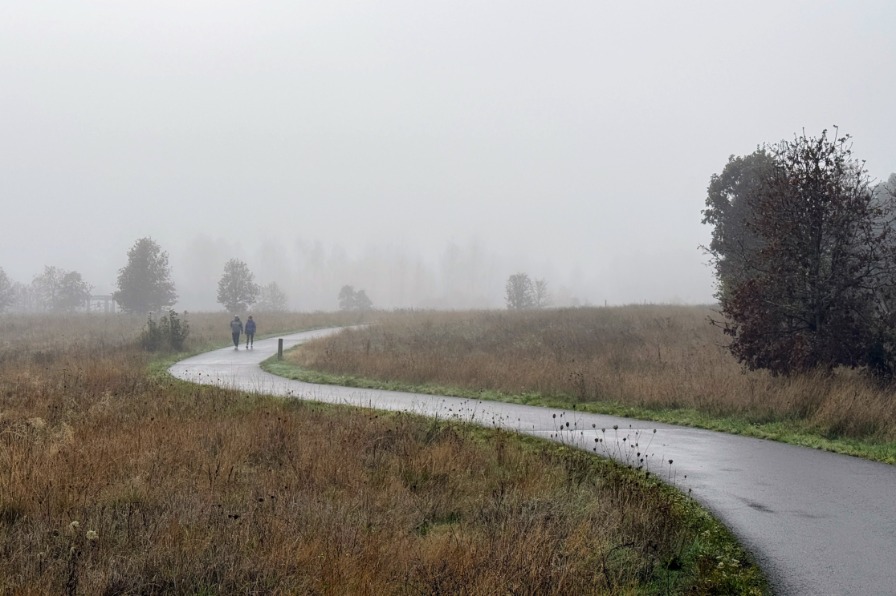
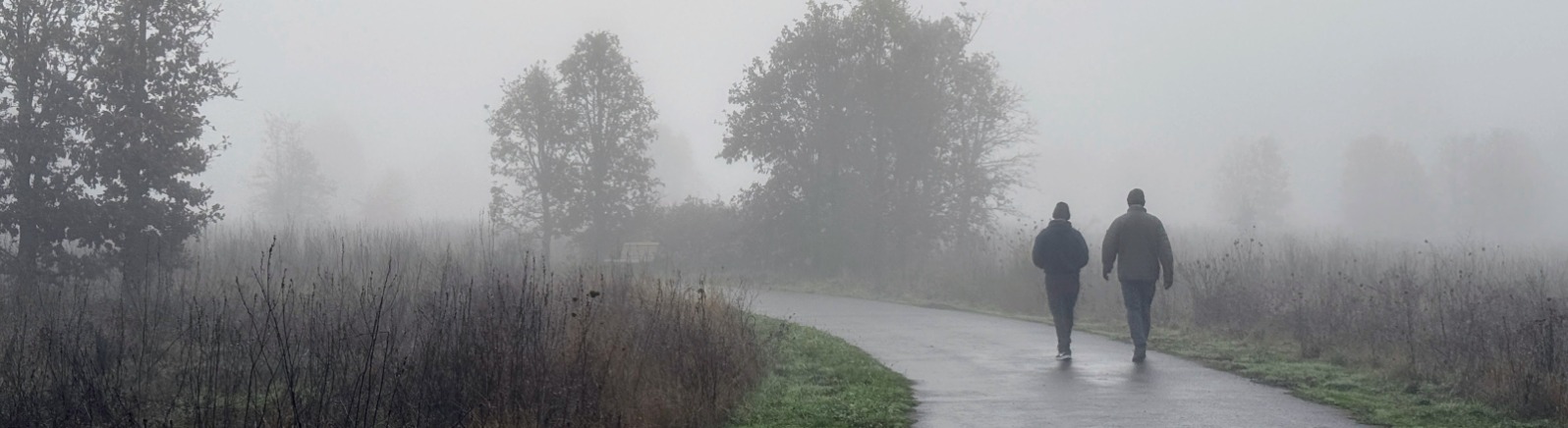
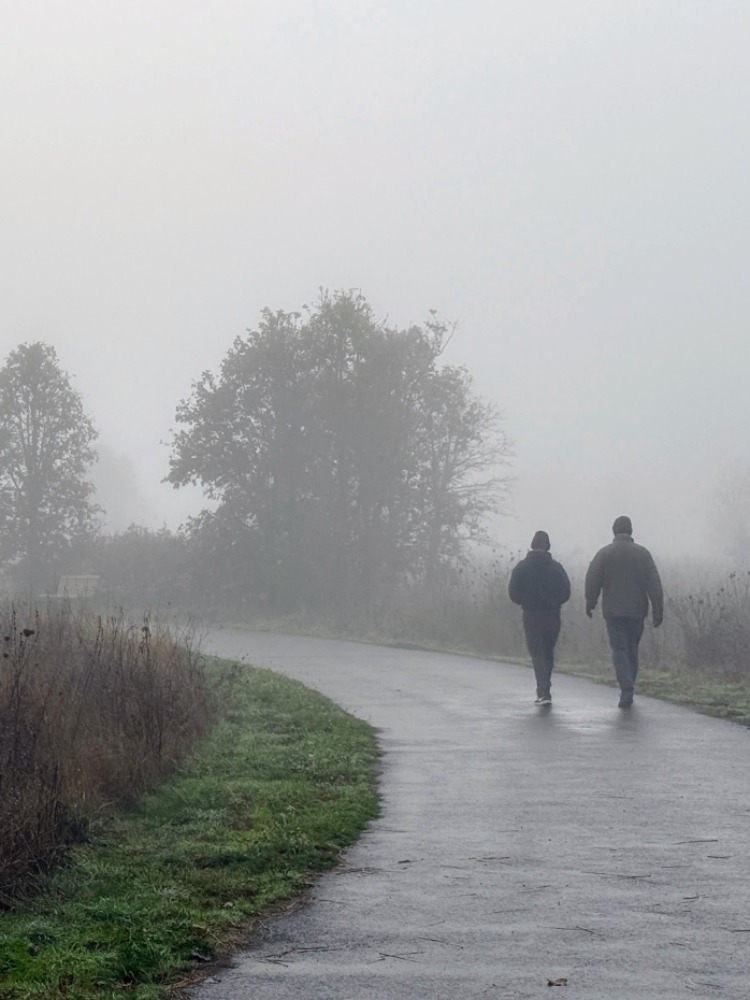
Even on a foggy winter day Graham Oaks Nature Park is a great place to get outside.
On a foggy fall morning, a friend and I went for a walk at Graham Oaks Nature Park at the western edge of Wilsonville. While walking the park's roughly three miles of trails, we happily basked in the beauty of the park's open meadows and stately stands of Oregon oak.
Little did we know, such views were almost never possible. Some 30 years ago, developers and planners envisioned a variety of far different uses for what is today a 250 acre parcel of parkland — including a women's prison and an 18-hole golf course. But Metro eventually acquired the plot; planted millions of grass and flower seeds, as well as 150,000 trees and shrubs; and in 2010 opened Graham Oaks Nature Park.
Today, roughly three miles of trails crisscross the family-friendly park. My buddy and I started our leisurely stroll on the flat, paved and wheelchair-accessible Ice Age Tonquin Trail, a shade-free path that mostly heads through meadows and past scattered oak trees; we turned our hike into a loop by returning via the gravel Oak Woodland Walk and Coyote Way paths, both of which enter heavier groves of oak, fir and pine. We couldn’t have gained more than a dozen or so feet of elevation, making the park an easy outing all winter long, and several birders kept their eyes peeled for the dozens of species that rest, nest and live in the park throughout the year. Every intersection is marked with directional cues and small trail maps for easy navigation, as well.

Matt Wastradowski loves the Pacific Northwest more than any rational human should — and has written extensively about the region's best craft beer, natural beauty, fascinating history, dynamic culinary scene and outdoor attractions for the likes of Outside, Portland Monthly, AAA's Via magazine and Northwest Travel & Life.
Since 2018, he's also authored three Oregon-centric guidebooks for Moon Travel Guides — one on scenic hikes, one on the Columbia River Gorge and Mt. Hood and a general guidebook to the Beaver State's top sites.