



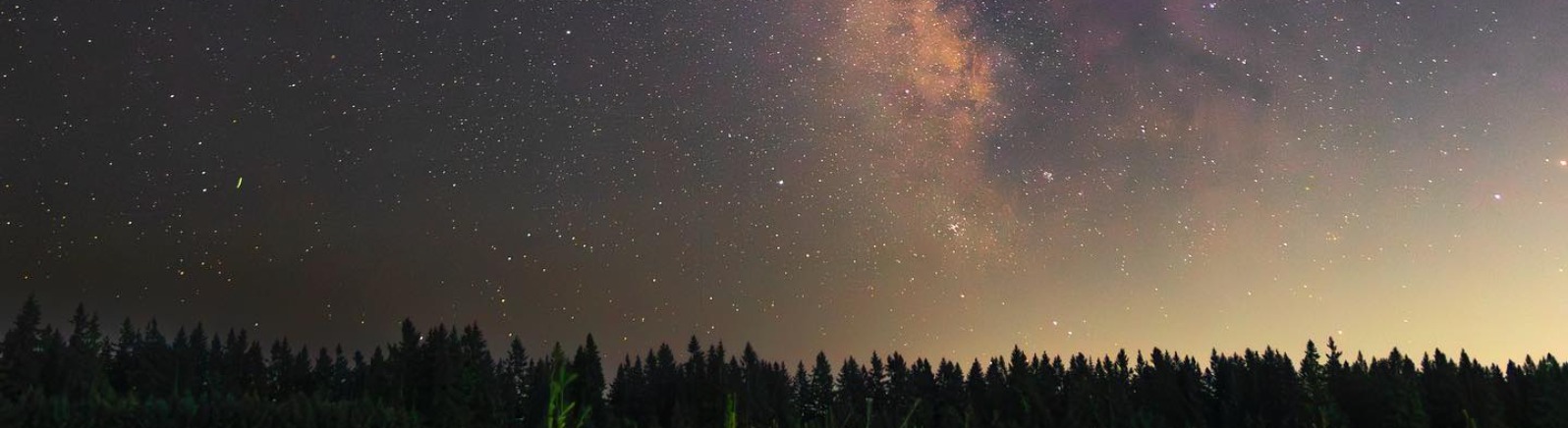

Header photo by @jarrodlyman2
Have A Magical Stargazing Experience In Oregon’s Mt. Hood Territory
By Guest Author: Matt Wastradowski
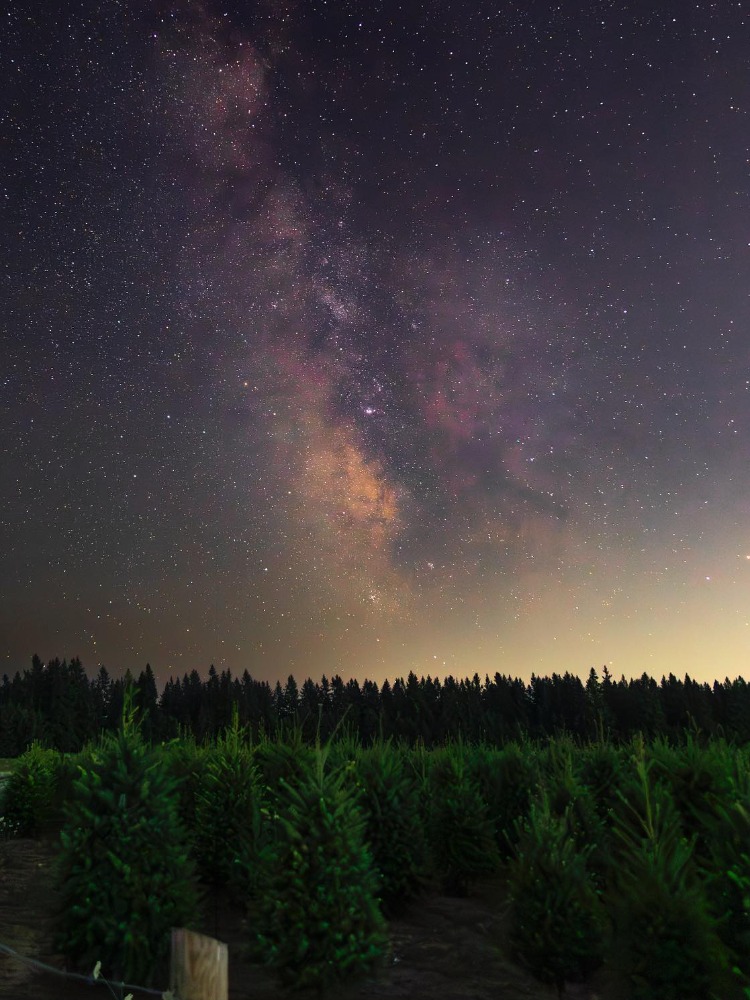
Michael McKeag understands that hulking telescopes in deep space have made the cosmos feel closer and more accessible than ever before. Countless websites and social media accounts routinely share their colorful photos of far-off galaxies, clusters of thousands or millions of stars, and other cosmic wonders many light years away.
Yet, as McKeag explains it, there’s nothing like seeing those sites with our own two eyes.
In fact, he likens it to seeing a popular movie star or television legend while driving. “You get so excited, because you’re seeing them in-person — even though you’ve seen them on the big screen where you can see their hair follicles,” he says. “But in this sort of hazy glimpse of them through a car window, it’s somehow exciting. It’s direct and personal. And I think it’s that way with firsthand experiences of the night sky.”
Today, McKeag is a board member of DarkSky Oregon, a nonprofit working to protect and preserve our dark night skies. He recently shared some expert tips for visitors who’d like to stargaze throughout Oregon’s Mt. Hood Territory — including remote stretches along the Molalla and Clackamas rivers.
If you’re excited to see shimmering stars, solid planets, summertime meteor showers (including the Perseid meteor shower — typically visible between late July and mid-August) and other cosmic wonders. Here’s what to know, where to go and how to have fun stargazing near Portland in Oregon’s Mt. Hood Territory.
What To Know About Stargazing In Oregon’s Mt. Hood Territory
Before heading out, you’ll want to keep a few tips in mind for successful stargazing.
What to wear: Summer and fall nights can be cool, especially at higher elevations around Mt. Hood, so wear layers to protect against chilly temperatures. We’d recommend a T-shirt, sweatshirt and light jacket. Also consider wearing long pants and bringing gloves and a hat — just to be as comfortable as possible.
Where to go: Check out the World Atlas of Night Sky Brightness for all the details on how dark the skies will be at your preferred destination. The darker the skies, the more you’ll see. Lighter skies are typically impacted by what’s called “light pollution” — artificial light that’s typically emitted by headlights, office buildings and streetlights, which can wash out the skies and lower visibility. Look for the darkest night skies for the best possible experience.
Telescope: Contrary to popular belief, you don’t need to buy a telescope for epic stargazing. In fact, your own two eyes can typically pick out planets, shooting stars and occasionally the arc of the Milky Way overhead. If you own a pair of binoculars, it can’t hurt to use those for a slightly better look at what’s above.
Mobile app: A number of mobile stargazing apps for Android and iOS devices help identify what you’re seeing overhead; typically, you point your phone or tablet toward the sky, and the app uses augmented reality to figure out where you are and what’s above at that moment — helpfully labeling planets, constellations and other celestial wonders.
Rose City Astronomers: The nonprofit Rose City Astronomers is one of the largest astronomy clubs in the United States — and regularly holds regional stargazing events, including in Mt. Hood Territory, that are open to the public. Check out the Rose City Astronomers events calendar to see if any events are on the horizon. If your curiosity is piqued, McKeag recommends enrolling as a member to support the group’s efforts.
Where To Go Stargazing Along The Clackamas And Molalla Rivers
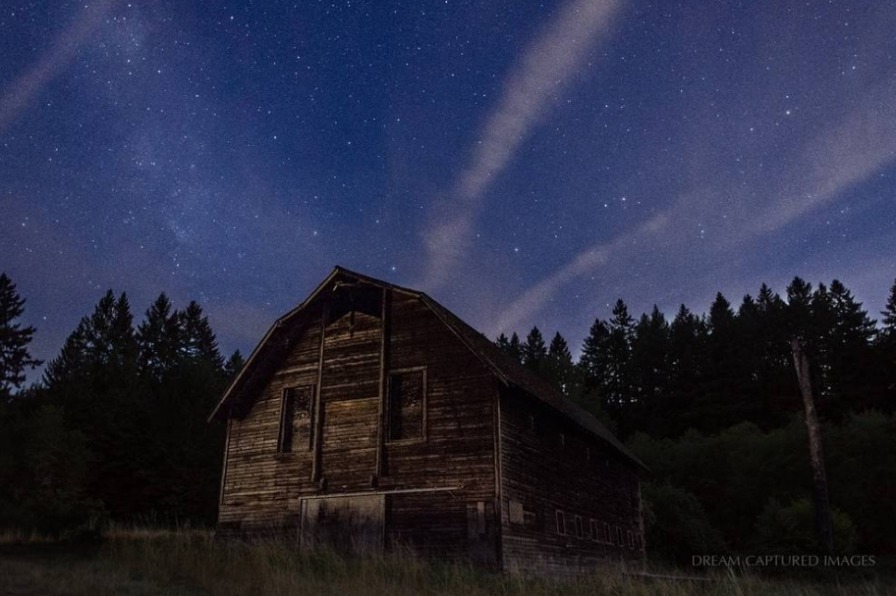
Now that you know how to get started, here are a few places in the foothills of Mount Hood for memorable stargazing.
Milo McIver State Park: Just outside Estacada and along the Clackamas River, Milo McIver State Park offers plenty of daytime fun — but remains enchanting after the sun goes down with clear night skies (and a few wide-open fields where you can see them). You can even stargaze from more than 50 tent and RV sites that dot the park; overnight reservations are available and are highly recommended — especially on summer weekends. Visit midweek for more availability.
Promontory Park: The tent and RV sites, cabins and yurt-like "yomes" are pretty well shaded at the family-friendly Promontory Park, but the shores of Small Fry Lake and the Clackamas River are a short walk away. There, with nothing between you and the night skies, all manner of cosmic wonders appear on clear evenings. Estacada is nearly seven miles away, which means less light pollution to wash out the starry displays.
Molalla River Recreation Area campgrounds: A pair of campgrounds sit about a dozen miles from the community of Molalla and along the Molalla River Recreation Area — leading to clear night skies with few sources of light pollution to obscure the views. Choose among 26 basic tent sites, available only by reservation, at the Cedar Grove Campground and Three Bears Campground; both sit within about a mile of each other.
Trillium Lake: In fall, right as the leaves begin to turn and salmon return to spawn in streams and creeks on the slopes of Mt. Hood, stargazing becomes a cherished pastime around the shores of Trillium Lake. If you’re staying elsewhere, head to the Trillium Lake Day-Use Area on the reservoir’s southern shore to watch the stars shine over the snow-capped summit of Mt. Hood; if you’re spending the night at Trillium Lake Campground, the day-use area is a short walk away. Either way, you’ll enjoy plentiful solitude with a fall visit.

Where To Stay While Stargazing
We mentioned a few campgrounds where you can stargaze — but a number of inns, hotels and B&Bs offer comfortable overnight stays and make a cozy home base for adventure.
Prairie House Inn: If you’d like to stargaze along the Molalla River corridor, book a night in one of six rooms at Prairie House Inn in the heart of Molalla. Each of the converted home’s rooms have been decorated to reflect the country surroundings, and a common area on the first floor hosts plush chairs and couches, along with board games and books, that encourage lounging. On the first floor, the Cowboy Coffee shop dishes breakfast and lunch sandwiches alongside all manner of caffeinated beverages; ease into the day after a late night of stargazing with a warm cup on the inn’s wraparound patio.
Clackamas River House: Less than five miles from the city of Clackamas, the homey Clackamas River House serves as a gateway to the entire Clackamas River corridor. Choose among two well-appointed suites — one designed to resemble a log cabin and the other with your own jetted tub — and enjoy a home-cooked breakfast to start your day.
Camp Colton: Roughly halfway between the Molalla and Clackamas rivers, Camp Colton offers easy access to the region's dark night skies — with open space on-site for peering at the cosmos. Overnight options include cabins, yurts, bunk rooms, and tent and RV campsites.

Matt Wastradowski loves the Pacific Northwest more than any rational human should — and has written extensively about the region's best craft beer, natural beauty, fascinating history, dynamic culinary scene and outdoor attractions for the likes of Outside, Portland Monthly, AAA's Via magazine and Northwest Travel & Life.
Since 2018, he's also authored three Oregon-centric guidebooks for Moon Travel Guides — one on scenic hikes, one on the Columbia River Gorge and Mt. Hood and a general guidebook to the Beaver State's top sites.