




The Ultimate Guide To Camping On Mt. Hood
By Guest Author: Matt Wastradowski
Article At A Glance
- Pitch your tent on the slopes of Mt. Hood, park your RV along the Clackamas River or relax with your camper van in towering forests.
- Get a jump on planning by knowing when to book and the best seasons to visit.
- Have a safe and enjoyable trip with tips on what to know about camping, including with dogs and how to practice campfire safety.
- Make the most of your trip with paddling trips, hiking trails and historic museums.
Camping is a popular pastime throughout Mt. Hood Territory, and it’s easy to see why. Campgrounds dot the old-growth forests in the shadow of Mt. Hood, line quiet riverbanks and hug the shores of alpine lakes. And whether you’re pitching a two-person tent, parking an RV outfitted with all the bells and whistles or glamping in a log cabin, you’ll find the experience suited to you and your family’s enjoyment around this beautiful region. I have put together the ultimate guide to camping in Mt. Hood Territory — complete with the different types of campgrounds you can choose from, how to score the perfect site and the best way to make the most of your trip.
Where To Go Camping Around Mt. Hood
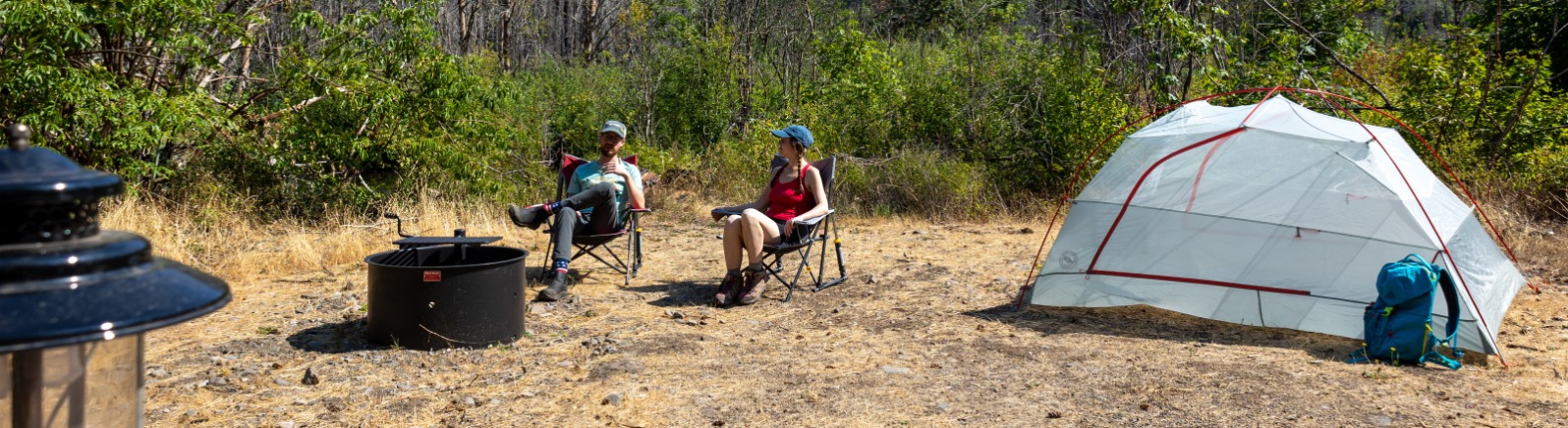
Whether camping along the Clackamas River or on the forested slopes of Mt. Hood, you’ll find a variety of campgrounds across Mt. Hood Territory. Here are a few suggestions to inspire your next getaway:
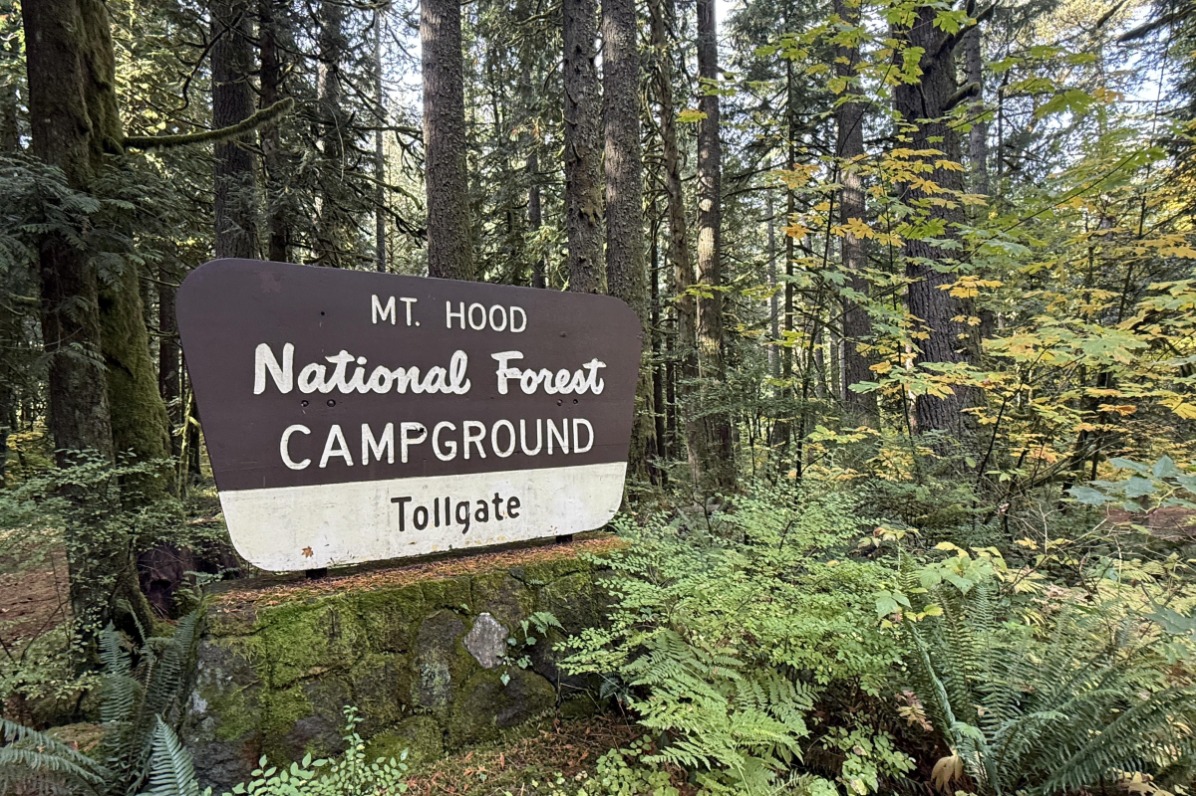
Taking Highway 26 east toward Government Camp and the heights of Mt. Hood, you’ll pass several U.S. Forest Service campgrounds. A few highlights include Tollgate Campground (where tents and RVs up to 16 feet long can occupy sites along the rushing Zigzag River) and Lost Creek Campground (with room for vans and RVs up to 22 feet, as well as wheelchair-accessible sites and a nearby nature trail).

Within Mt. Hood Territory, Milo McIver State Park hosts 50 sites open to tent and RV use, all open between mid-March and October, along the Clackamas River. Perks at the well-maintained campground include hot showers, flush toilets and an RV dump station. Milo McIver’s amenities make it a popular spot for RV camping.

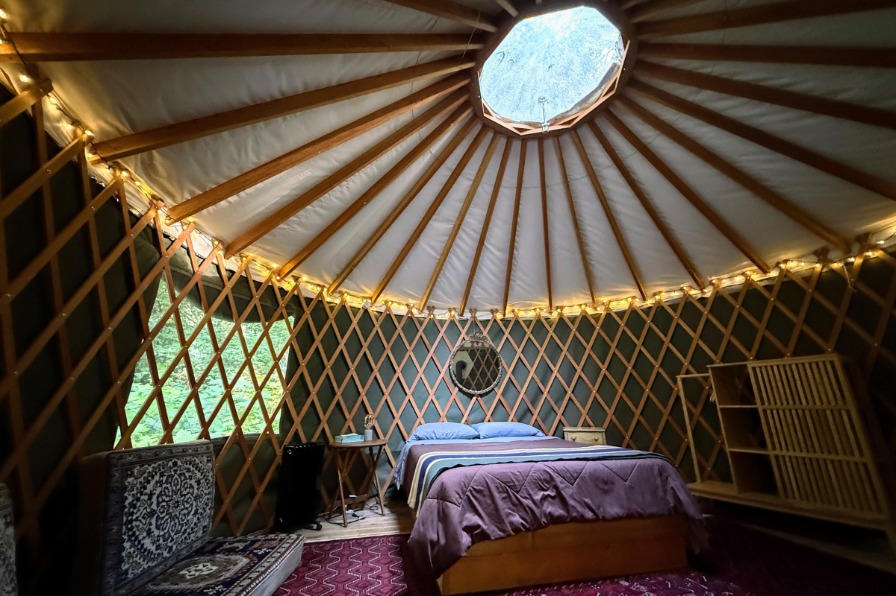
Portland General Electric manages a number of campgrounds in Mt. Hood Territory for campers from all walks of life. Around Timothy Lake, choose among more than 250 sites across seven campgrounds (all managed in partnership with the U.S. Forest Service); some sites afford views of Mt. Hood, and all offer easy lake access. And along the Clackamas River, the family-friendly, alcohol-free Promontory Park accommodates tents, vans and small RVs — and hosts a few cabins and yurt-like domes (called, naturally, “yomes”).
Across Mt. Hood Territory, you’ll find a trio of campgrounds managed by Clackamas County Parks. One of the most popular is Metzler Park, which is just south of Estacada and along Clear Creek in a grove of Douglas-fir and western red cedar; the campground accommodates everything from tents and camper vans to RVs 25 feet and longer. Learn more about accessibility at Clackamas County campgrounds.
Planning Your Mt. Hood Camping Trip
Making The Most Of Your Trip
Once you’ve booked your campsite and have packed your car or gassed up the RV, how can you make the most of the trip itself? Here are a few tips for a safe and enjoyable experience:
Grocery stores: Did you forget a bag of marshmallows for s’mores or a carton of eggs for breakfast? Worry not: You’ll almost always find convenience stores and grocery stores in communities around the region’s most popular campgrounds.
Campfire safety: Be a good steward of the forest, and be careful with campfires. Be sure to check current fire restrictions, always practice campfire safety and minimize your spark away from the campsite. Learn more about wildfire prevention.
Life jackets and personal floatation devices (PFDs): Whenever a boat is underway, children 12 and younger must wear a U.S. Coast Guard-approved life jacket — and PFDs are generally a good idea no matter your age. Some docks and put-in sites even host loaner life jacket stations in case you forgot yours at home.
Camping with dogs: Camping is a family experience. And in Oregon, that includes your fur babies. Generally speaking, your pup must always be on a leash inside developed campgrounds, except when they’re in a vehicle, tent, yurt or cabin. In some campgrounds, dogs may be permitted only in select, pet-friendly lodgings.

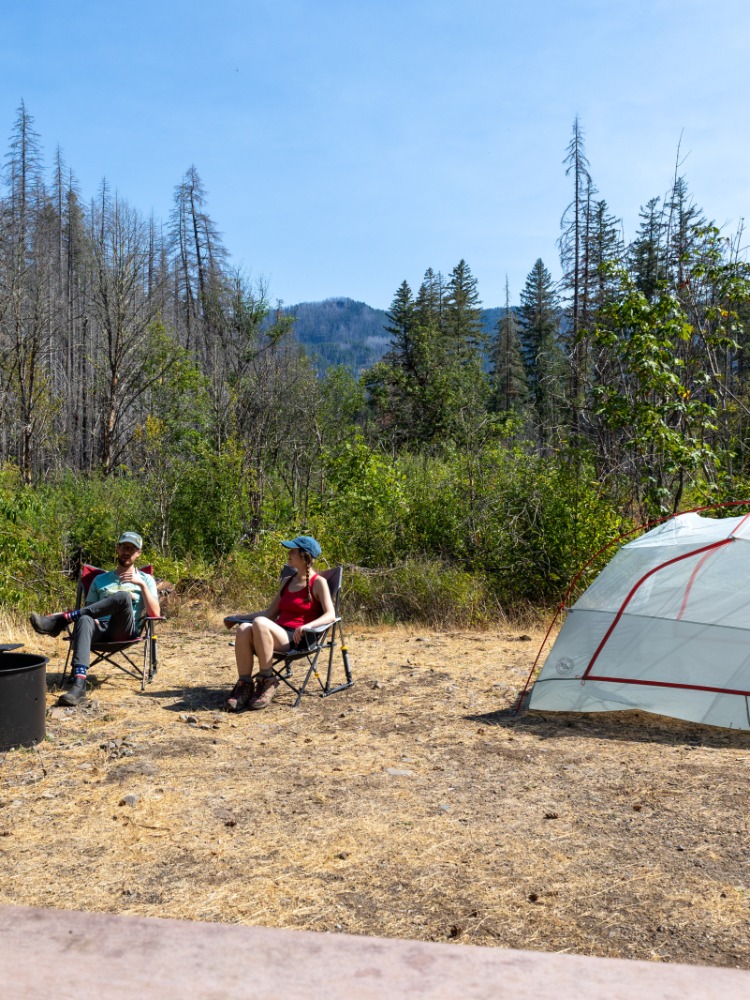
To keep our forests beautiful and green, you "otter" be wildfire aware. During permitted times, prioritize existing fire rings for your campfire and build it in an open area, clear of overhanging branches and flammable materials. When it's time to extinguish, practice the water-and-shovel method: Drown the fire with water, then stir the ashes to ensure everything is cool to the touch. Remember, a single spark can turn into a dangerous wildfire.
What Else To Do On Your Adventures
Once you’ve rolled out the awning, pitched your tent or parked your camper van, what about enjoying the scenery away from your campground? Here are a few ideas for fun activities to add to your camping trip to Mt. Hood Territory.
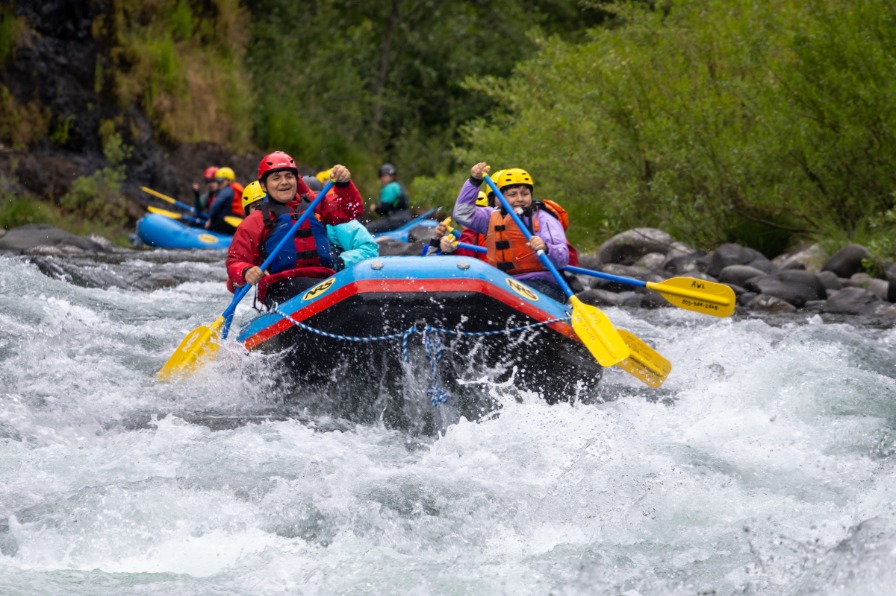
If you’re looking to get on the water, choose from a variety of outings. Mt. Hood Outfitters rents single and tandem kayaks, canoes and stand-up paddleboards all summer long at Timothy Lake; experienced guides lead rafting trips on the Upper Clackamas River; Clackamas River Outfitters offers seasonal paddle-craft rentals at Milo McIver State Park; and a variety of vessels — from kayaks to motorboats and pontoons — are available seasonally at the Promontory Park Marina.
For an easy hike, take a stroll around the forested playground at Wildwood Recreation Site along the Salmon River. If you’d rather someone else lead the way, sign up for a guided hike with Mt. Hood Outfitters. You’ll also find hiking trails on the historic Barlow Road, which emigrants followed in the mid-1800s on the Oregon Trail.
Family fun can be found at a variety of educational museums. Learn all about Sasquatch, the most famous resident of Mt. Hood Territory, at the detailed North American Bigfoot Center in Boring. Take a hands-on look at Oregon Trail history at Philip Foster Farm, where historians and reenactors explain what life was like for emigrants in the 1800s. For more about the area’s earliest days, stop into the Sandy Historical Society Museum, and visit the Mt. Hood Cultural Center & Museum to learn all about the rise of outdoor recreation and the history of the U.S. Forest Service on Oregon’s tallest peak.

Matt Wastradowski loves the Pacific Northwest more than any rational human should — and has written extensively about the region's best craft beer, natural beauty, fascinating history, dynamic culinary scene and outdoor attractions for the likes of Outside, Portland Monthly, AAA's Via magazine and Northwest Travel & Life.
Since 2018, he's also authored three Oregon-centric guidebooks for Moon Travel Guides — one on scenic hikes, one on the Columbia River Gorge and Mt. Hood and a general guidebook to the Beaver State's top sites.